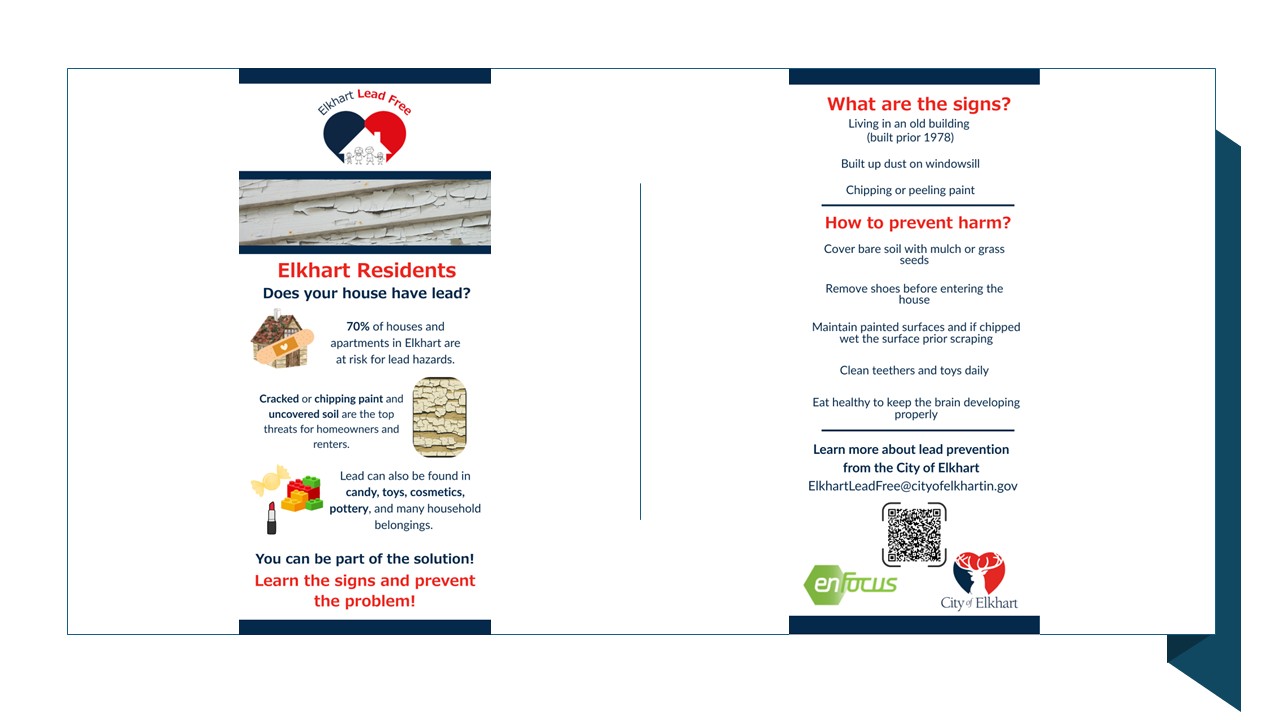
Protecting Children from Lead Poisoning
What is lead?
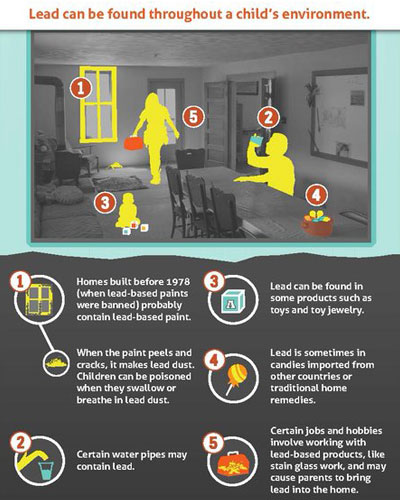
Lead is a toxic heavy metal that can be found throughout a child's environment. Historically, it has been used in a wide variety of products, including gasoline, paint, plumbing pipes, ceramics, solders, batteries, and even cosmetics.
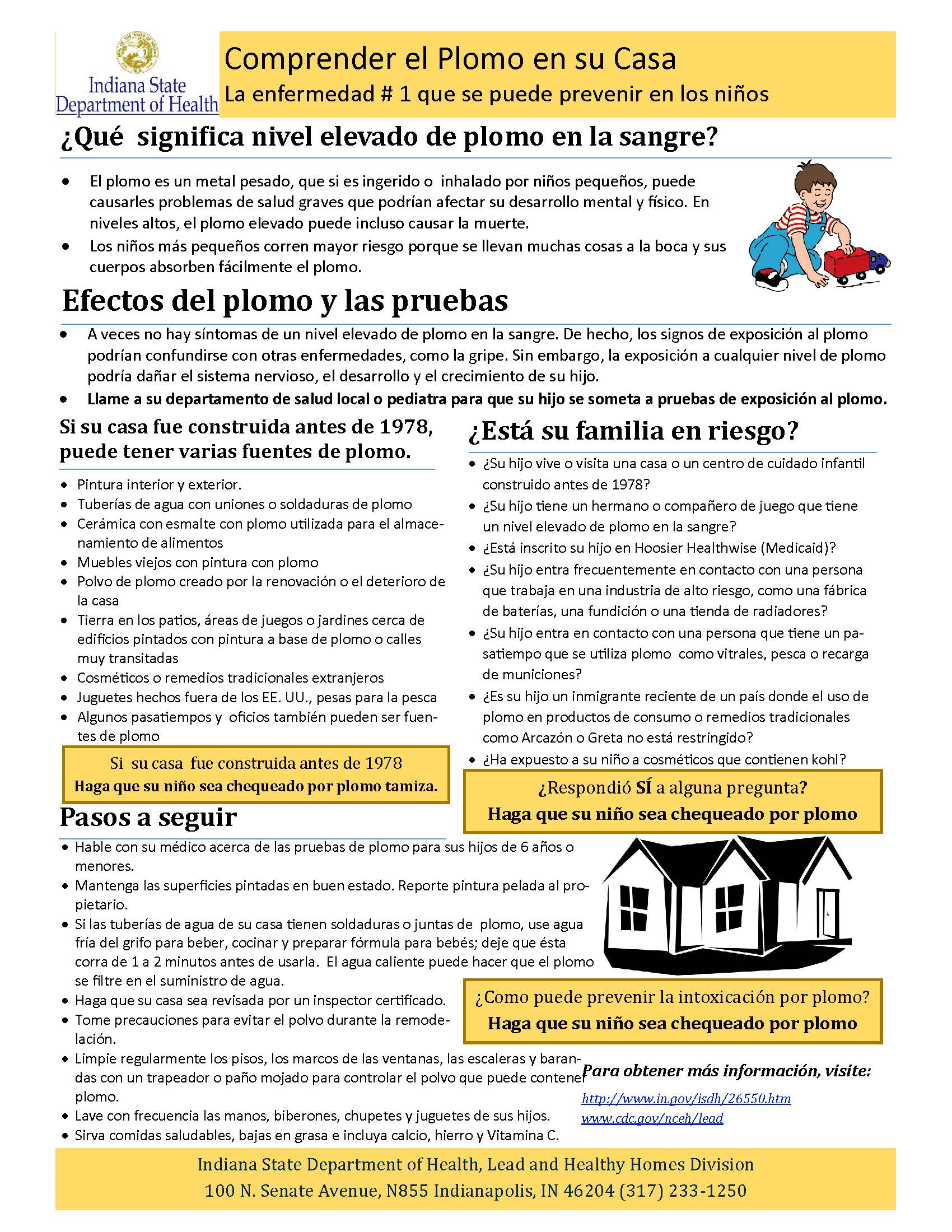
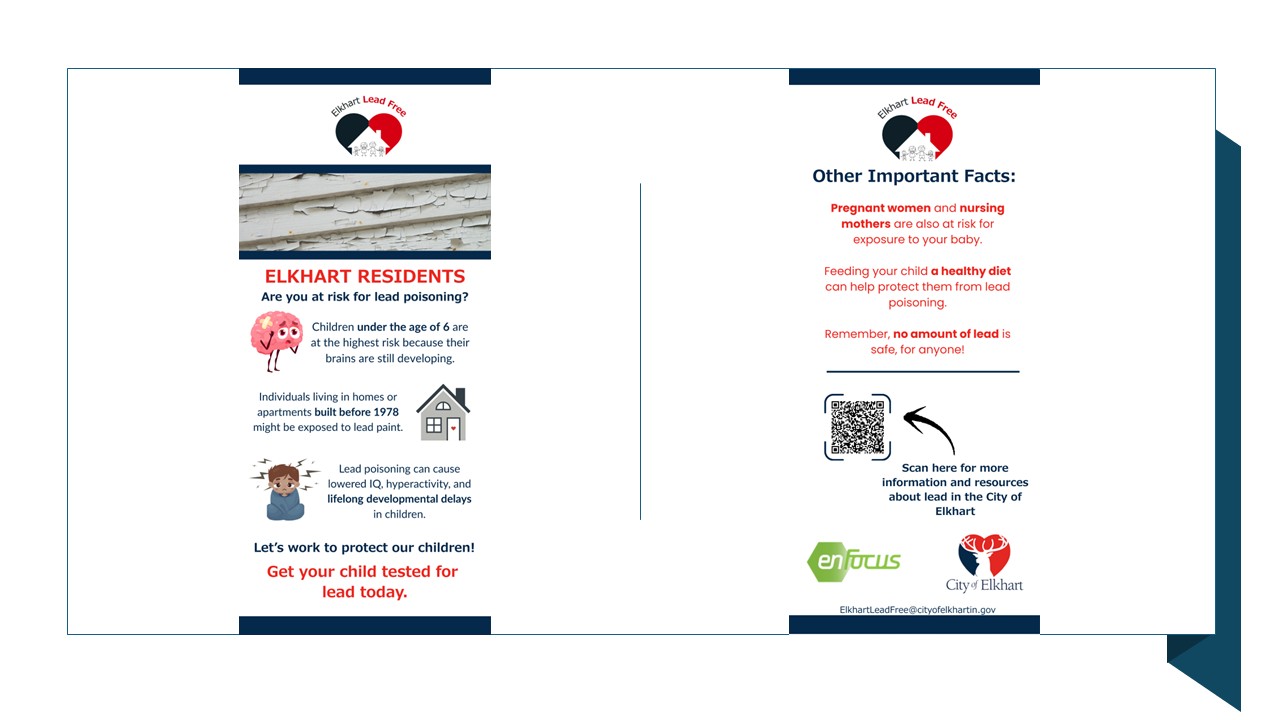
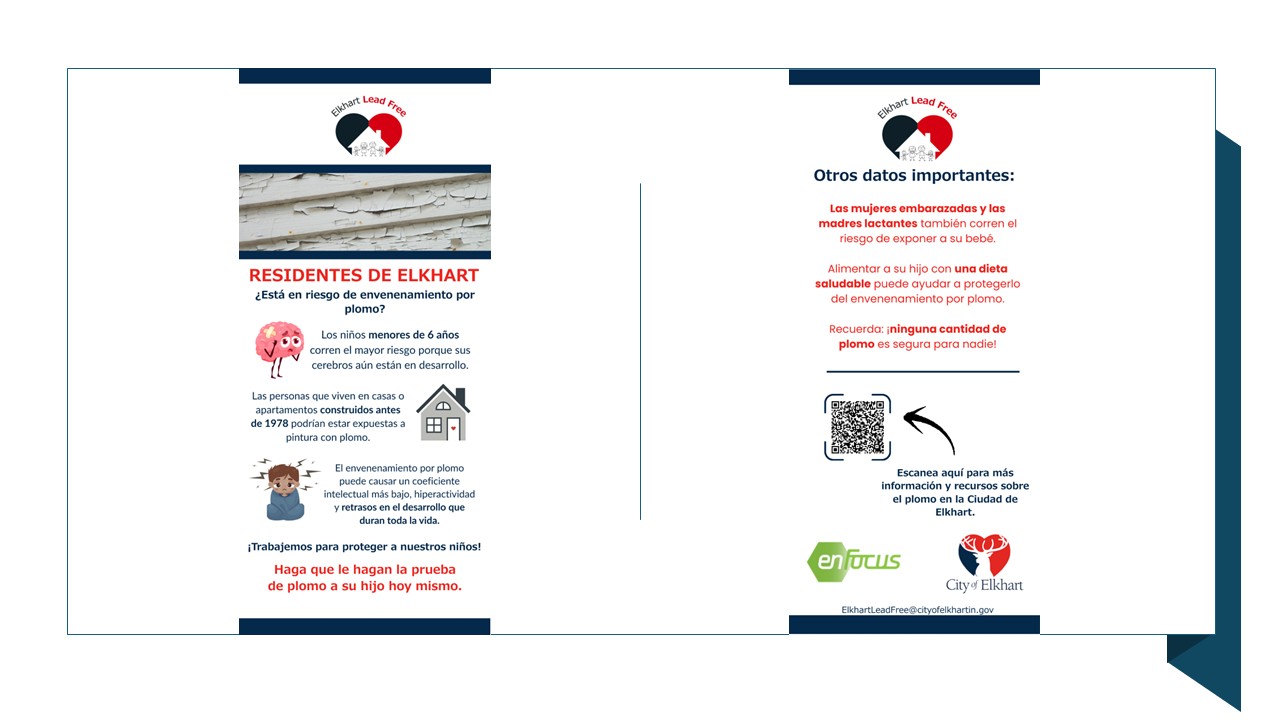
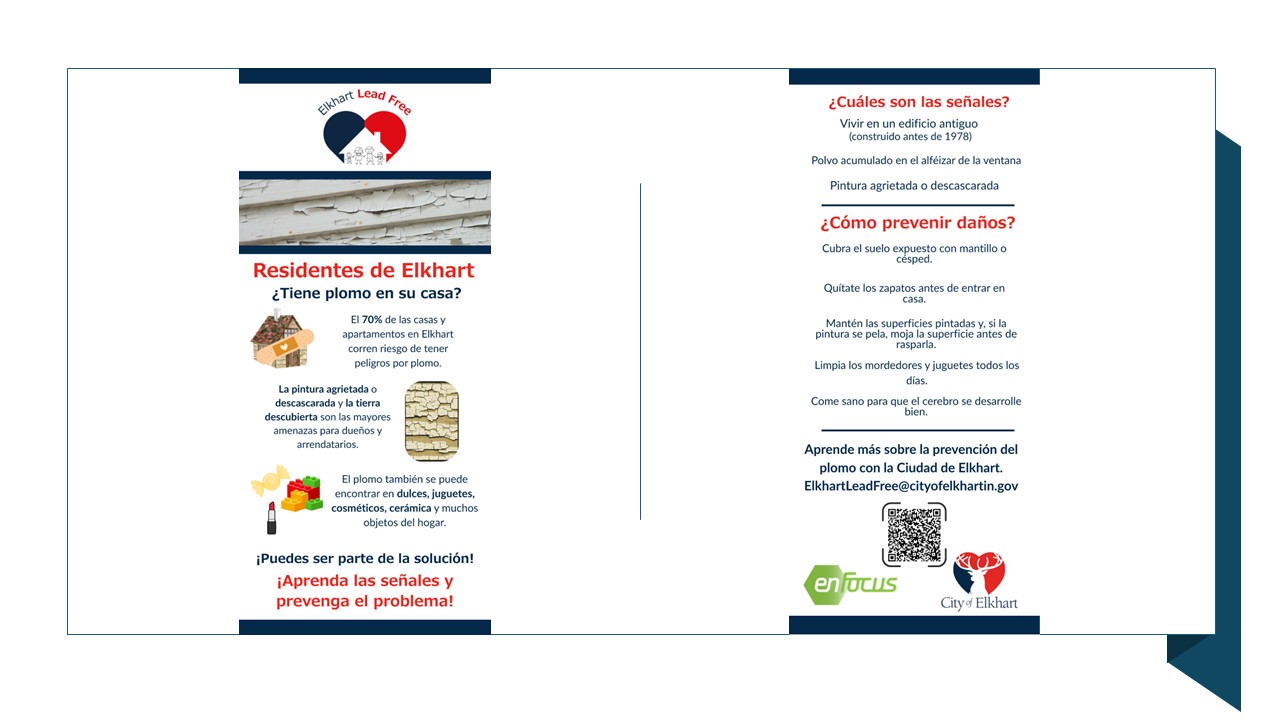
The biggest risk of lead exposure occurs through lead-based paint. Homes built before 1980, over 60% of homes in Elkhart, probably contain lead-based paint which was banned in 1978.
When the paint peels and cracks, it makes lead dust. Children can be exposed to lead when they swallow or breathe in lead dust.
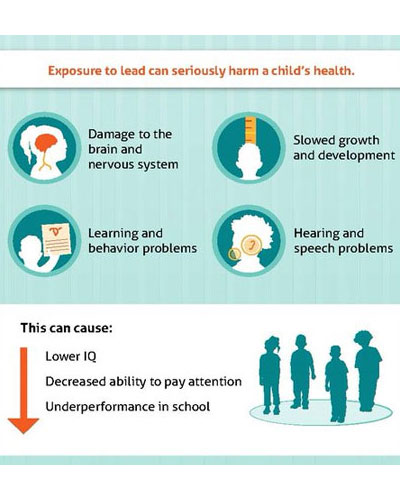
Lead poisoning can cause:
- Damage to the brain and nervous system
- Slow growth and development
- Learning and behavior problems
- Hearing and speech problems
What you can do
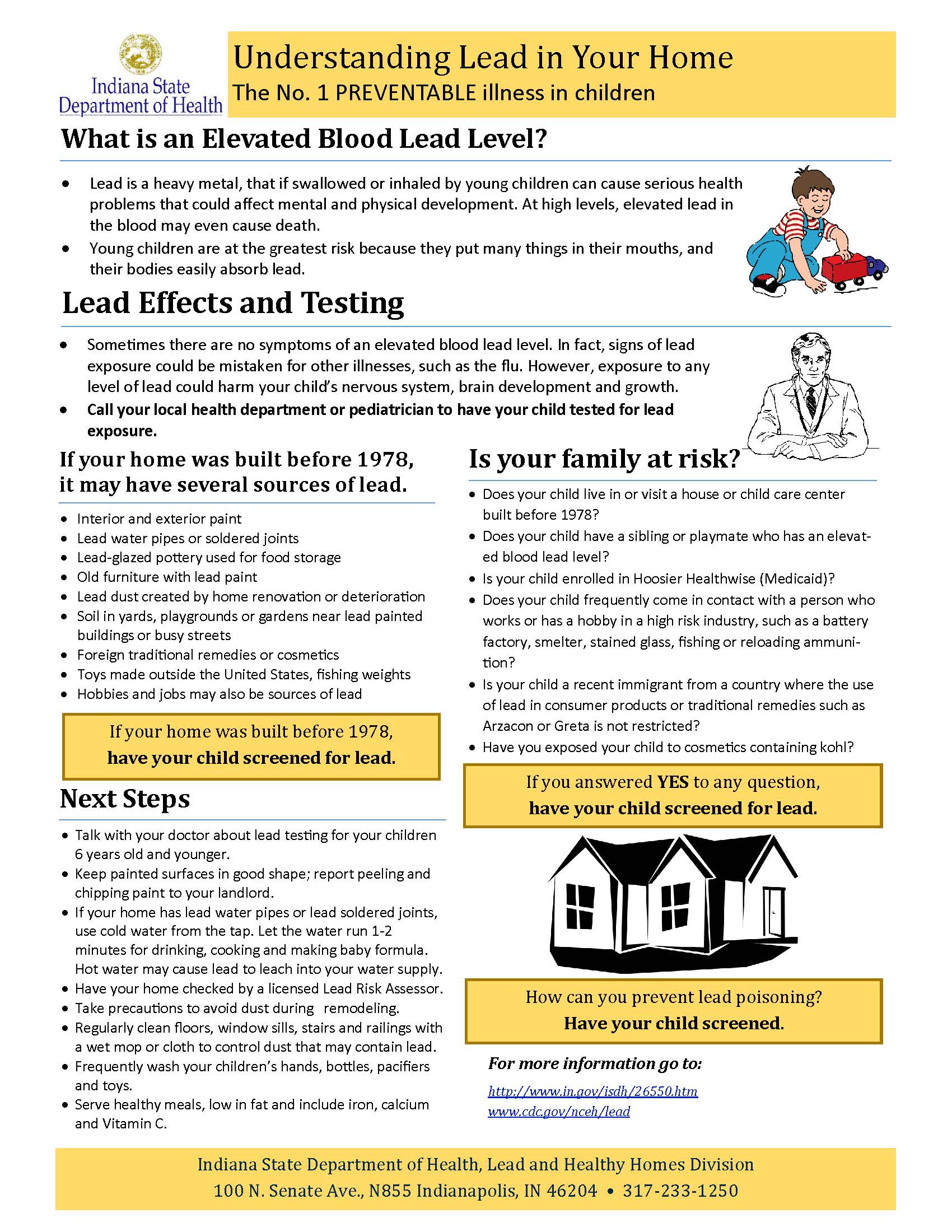
Young children under the age of 6 years are at the highest risk of lead poisoning. Their bodies absorb more lead. They often put their hands and objects into their mouths. Keep items that might contain lead out of reach.
Well Fed Means Less Lead
Good nutrition is one way to protect children from lead. From the start, breast milk provides the best nutrition and many health benefits for babies. For children and adults, three key nutrients can play a role in protecting the body from the harmful effects of lead: calcium, iron, and vitamin C. These nutrients help the body absorb less lead and are part of a healthy diet.
Click Here to find more information from Indiana WIC

Indiana Department of Health
Indiana Department of Health